Product Description
Aluminium Foil Laminated Fibreglass Fabric is manufactured by laminating high-quality aluminium foil to premium fibreglass fabric with a strong adhesive layer. This composite insulation material provides excellent thermal performance by reflecting up to 95% of infrared heat striking its surface.
The aluminised fibreglass fabric is widely used as a thermal insulation material in industrial and commercial applications where heat reflection, fire resistance, and durability are essential.
Features
- Reflects up to 95% of infrared heat
- Waterproof
- Fireproof
- Anti-corrosion
- Flame retardant
- Low smoke development index
- Excellent heat preservation
- Superior thermal insulation
- Lightweight and durable
- Easy to install
Applications
- HVAC Duct Insulation
- Pipe Insulation
- Industrial Thermal Insulation
- Heat Shields
- Expansion Joints
- Equipment Insulation
- Boiler Insulation
- Furnace Insulation
- Automotive Heat Protection
- Construction Insulation Systems
Technical Highlights
| Property |
Description |
| Product Name |
Aluminium Foil Laminated Fibreglass Fabric |
| Base Material |
E-Glass Fibreglass Fabric |
| Surface |
Aluminium Foil |
| Heat Reflection |
Up to 95% Infrared Heat Reflection |
| Features |
Waterproof, Fireproof, Flame Retardant, Anti-Corrosion |
| Application |
Thermal & Heat Insulation |
| Color |
Silver |
| Usage |
Industrial & Commercial Insulation |
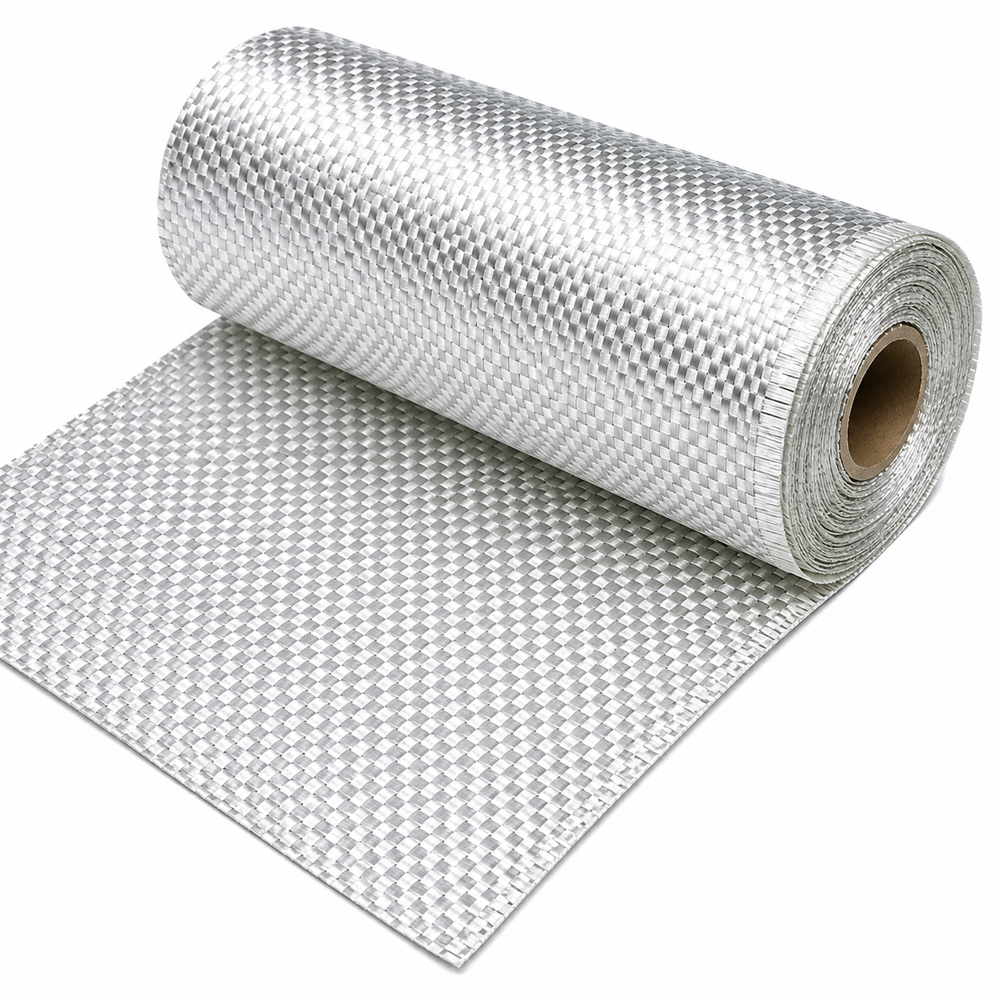
Superior Thermal and Fire ProtectionEngineered to withstand extreme temperatures from -50C up to 550C, this laminated fabric ensures robust protection in challenging environments. Its woven E-glass base and high-purity aluminium foil layer provide non-combustible, highly reflective, and moisture-resistant coverage suitable for demanding industrial and construction settings.
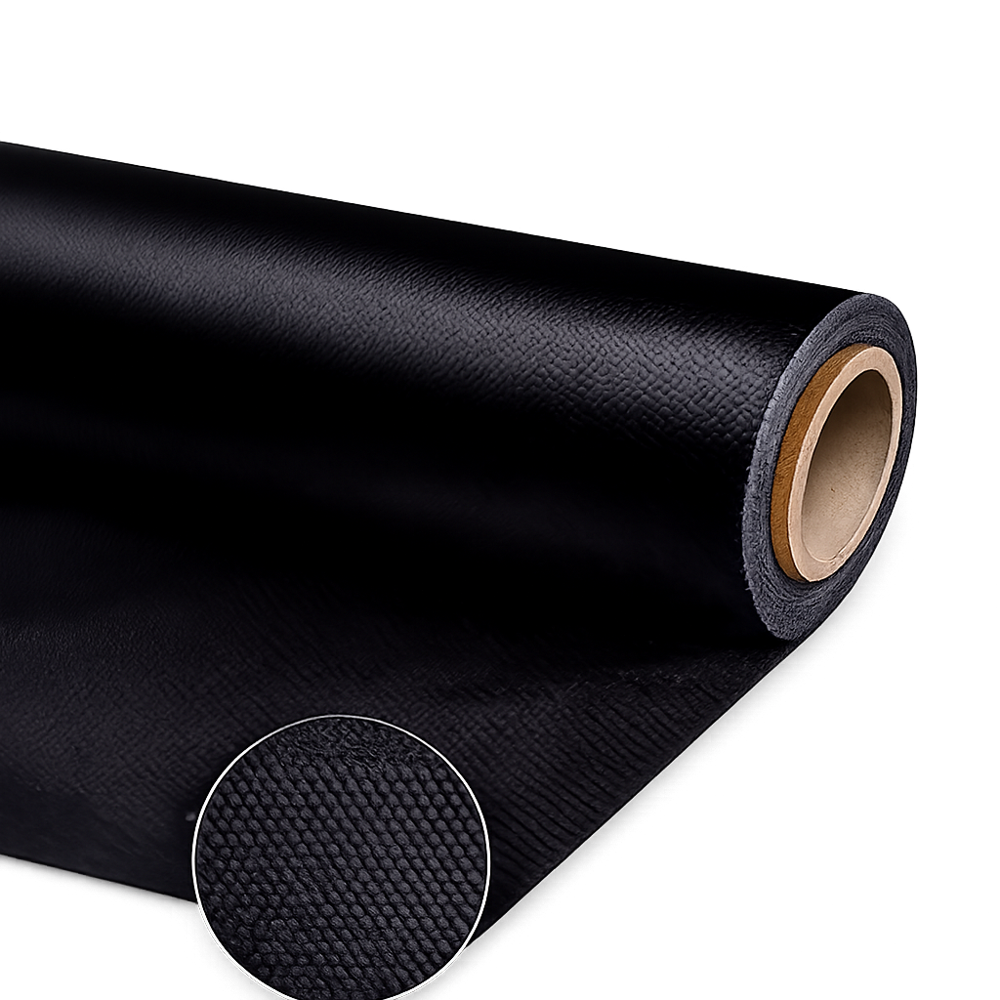
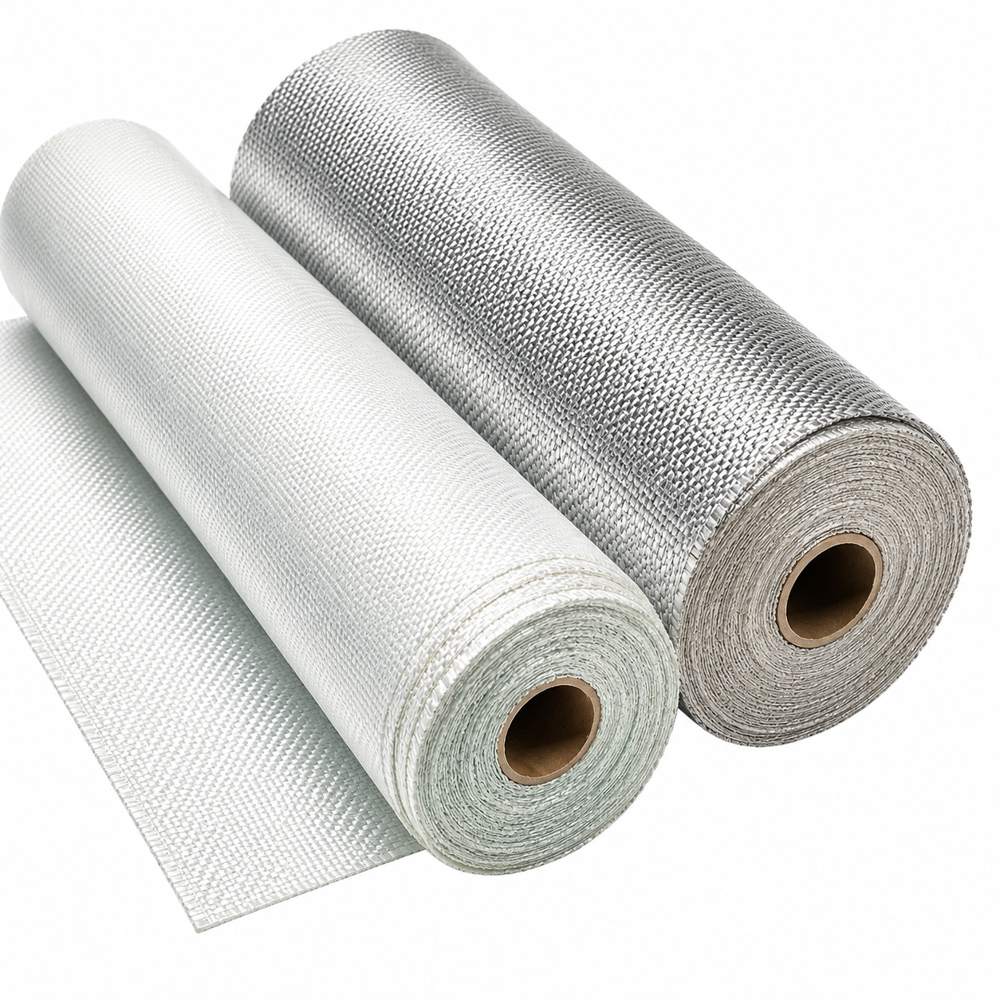
Flexible Applications and CustomizationDesigned for versatility, the fabric can be applied through surface mounting, mechanical fixing, or adhesive bonding. It comes in various widths, thicknesses, and roll lengths, with single- or custom double-sided foil options, and can include pressure-sensitive adhesive upon request, making it adaptable for insulation, duct wrapping, HVAC installations, and more.
FAQ's of Aluminium Foil Laminated Fibreglass Fabric:
Q: How is Aluminium Foil Laminated Fibreglass Fabric installed in building and HVAC applications?
A: This fabric can be installed using surface mounting, mechanical fixing, or adhesive bonding methods. Depending on project requirements, you may opt for the pressure-sensitive adhesive version for quicker application. It is typically supplied in rolls for convenient handling and custom lengths can be provided as needed.
Q: What benefits does the aluminium foil provide in this laminate?
A: The aluminium foil layer offers a high reflectivity of 97%, which effectively reflects radiant heat. This, combined with the fabric's low water vapor transmission rate and flame resistance, significantly enhances thermal insulation performance, contributing to energy efficiency and improved fire safety in buildings.
Q: When should I use the plain weave versus the satin weave fabric?
A: Plain weave fabric is suitable for general insulation and duct wrapping applications due to its balance of durability and flexibility. Satin weave provides increased flexibility and conformability, making it ideal for more intricate surfaces or when a tighter drape is required.
Q: Where is this laminated fabric commonly used?
A: It is widely used in thermal insulation, fireproofing, duct wrapping, HVAC systems, and various construction projects where both temperature resistance and fire protection are critical. Exporters, manufacturers, and suppliers recommend it for both industrial and commercial environments.
Q: What is the shelf life and storage recommendation for this fabric?
A: The shelf life of this fabric is 24 months when stored in dry, indoor conditions. Rolls should be kept in their original PE bag or carton packaging to prevent contamination or mechanical damage until use.
Q: How do I choose the appropriate foil thickness for my application?
A: Selection depends on your specific insulation or protection needs. Thicker foils (18 or 25 micron) offer greater mechanical strength and durability in harsh conditions, while 7 micron is suitable for lighter-duty applications where flexibility is a priority.
 Call Us : 08045477486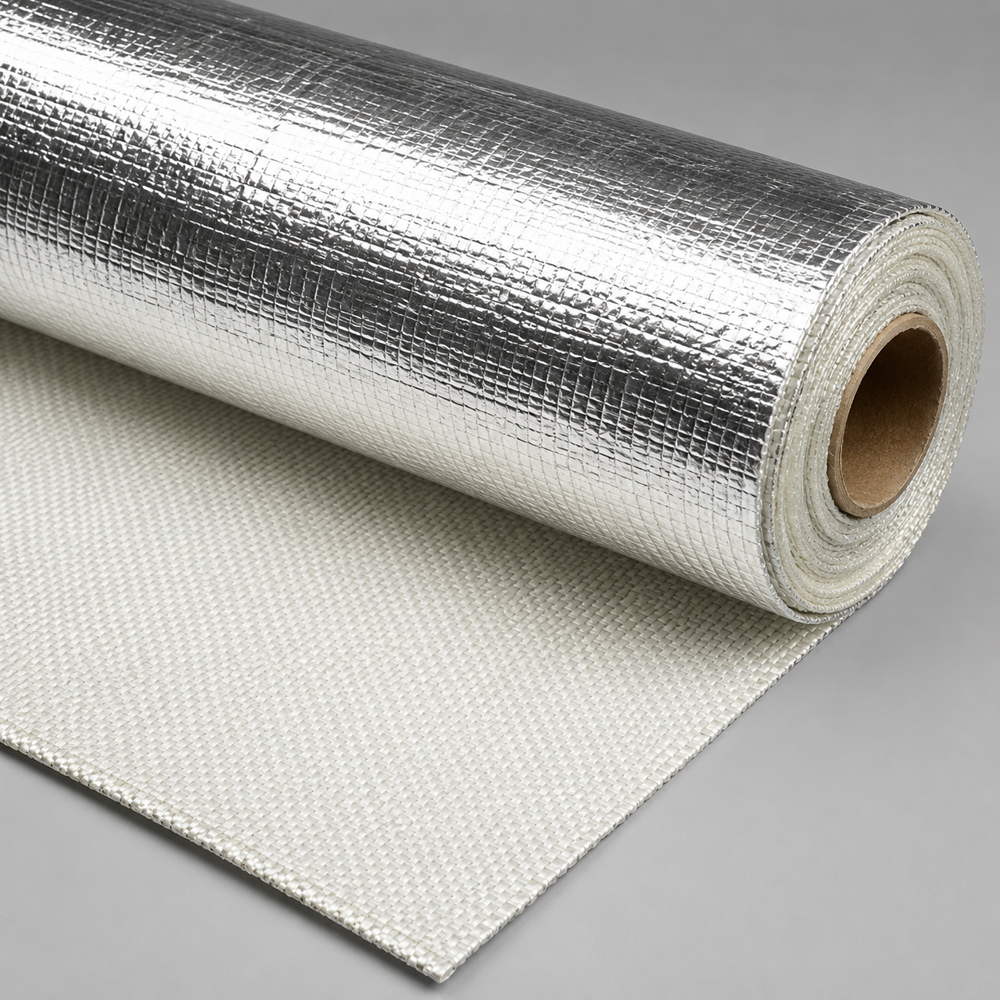






 Send Inquiry
 Send Inquiry
 Send SMS