Product Description
Woven Rovings
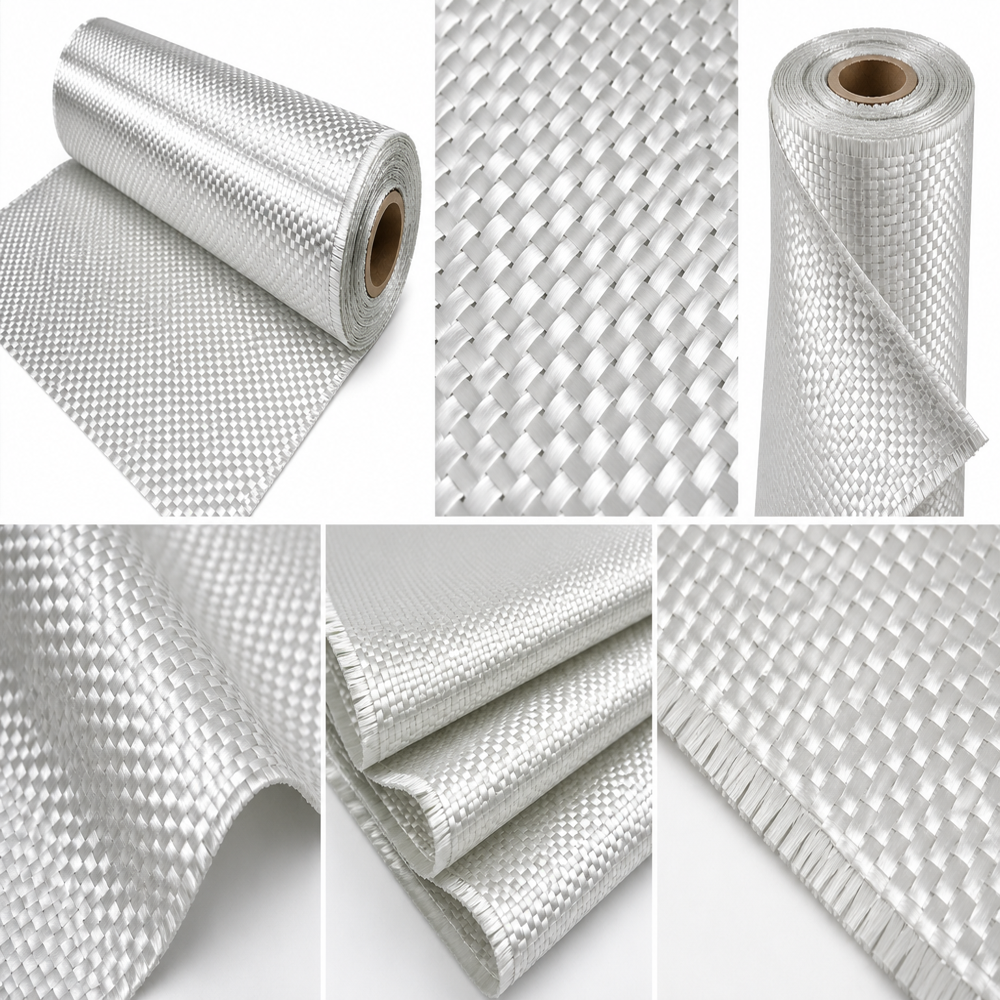
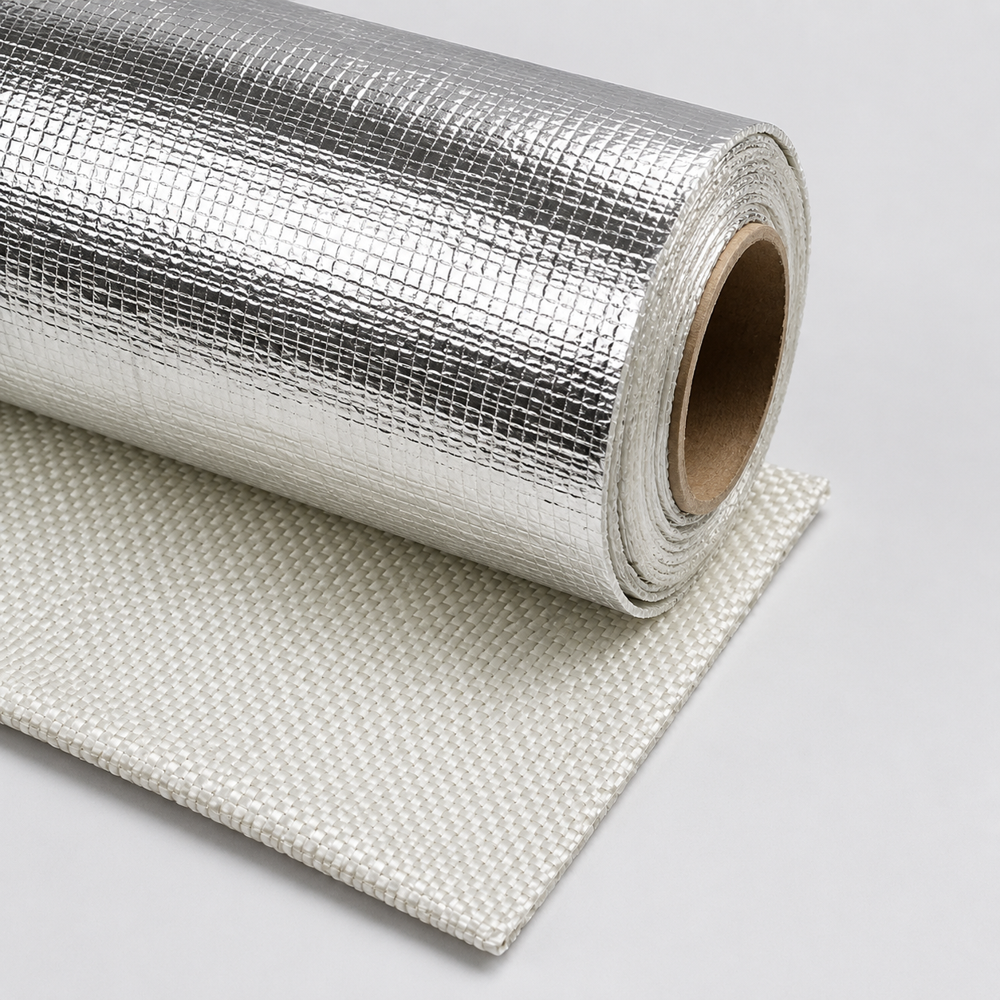
Woven Rovings are high-performance reinforcement fabrics manufactured by interlacing continuous E-Glass fiberglass rovings in both warp and weft directions. Designed to deliver outstanding mechanical strength, dimensional stability, and resin compatibility, these fabrics are widely used in the production of high-strength composite laminates.
The balanced woven construction provides excellent impact resistance, superior load distribution, and high resin absorption, resulting in durable and lightweight composite structures. Woven Rovings are compatible with Polyester, Vinyl Ester, Epoxy, and Phenolic resin systems, making them an ideal reinforcement material for hand lay-up, compression moulding, resin infusion, and filament winding processes.
These fabrics are extensively used in marine, automotive, wind energy, construction, transportation, chemical processing, and industrial composite applications.
Features
-
Manufactured from premium-quality E-Glass fiberglass rovings
-
High tensile and flexural strength
-
Excellent mechanical and impact resistance
-
Uniform woven construction for superior dimensional stability
-
High resin absorption and fast wet-out
-
Compatible with Polyester, Vinyl Ester, Epoxy & Phenolic resins
-
Excellent corrosion and chemical resistance
-
Lightweight with an outstanding strength-to-weight ratio
-
Easy to laminate and fabricate
-
Available in various GSMs, widths, and weave patterns
Applications
-
FRP Panels
-
Boat & Yacht Manufacturing
-
Wind Turbine Blades
-
Automotive Components
-
Cooling Towers
-
Chemical Storage Tanks
-
Pipes & Pressure Vessels
-
Pultrusion & Filament Winding
-
Construction & Infrastructure
-
Industrial Composite Parts
-
Electrical Insulation Components
-
Aerospace & Transportation Composites
Technical Specifications
| Property |
Description |
| Product Name |
Woven Rovings |
| Material |
E-Glass Fiberglass Roving |
| Fabric Type |
Woven Reinforcement Fabric |
| Weave Pattern |
Plain / Twill (As Required) |
| GSM Range |
2001200 GSM (Custom Grades Available) |
| Width |
10001500 mm (Custom Widths Available) |
| Resin Compatibility |
Polyester, Epoxy, Vinyl Ester, Phenolic |
| Color |
White |
| Roll Length |
As per Customer Requirement |
Advantages
-
Provides exceptional reinforcement for composite laminates.
-
Delivers high structural strength with reduced material weight.
-
Ensures uniform resin distribution and excellent bonding.
-
Resistant to moisture, corrosion, and harsh chemicals.
-
Ideal for manufacturing durable FRP products and industrial composite components.
-
Available in customized GSM, weave patterns, widths, and roll lengths to meet specific application requirements.
Superior Reinforcement for CompositesWoven Rovings provide enhanced structural integrity to composite materials. Due to their robust tensile properties and optimized weave patterns, they are widely used in demanding reinforcement applications across industries such as marine, automotive, and construction. The choice of E-glass or C-glass fibers ensures excellent strength and durability under mechanical and thermal stress.
Versatile Compatibility and ApplicationDesigned for maximum resin compatibility, these woven fabrics are treated with silane or starch sizing, making them suitable for use with epoxy, polyester, and vinyl ester resins. The rovings can be processed using both manual lay-up and RTM methods, enabling flexible manufacturing for both simple and complex composite structures.
Custom Options and Consistent QualityAvailable in a range of weights, widths, thicknesses, and roll lengths, our woven rovings can be tailored to meet specific application needs. They come on sturdy cardboard cores and are supplied with an impressive shelf life of 36 months when stored correctly, ensuring reliable supply for manufacturers and end users alike.
FAQ's of Woven Rovings:
Q: How are woven rovings commonly used in composite manufacturing?
A: Woven rovings are primarily utilized as structural reinforcement layers in the production of composites. Their high tensile strength makes them suited for manual lay-up and resin transfer molding (RTM) processes, commonly found in boat building, automotive components, and construction panels.
Q: What are the main benefits of choosing plain or twill weave patterns in woven rovings?
A: Plain weave rovings offer excellent dimensional stability and handleability, making them standard for most applications. Twill weaves provide increased drapability for complex shapes. Both patterns ensure effective resin wet-out and strong mechanical properties in the final composite.
Q: Which resins are compatible with these woven rovings?
A: These rovings are compatible with epoxy, polyester, and vinyl ester resins. Surface treatments such as silane or starch sizing enhance the bond between the glass fibers and the resin matrix, ensuring high composite strength and integrity.
Q: When should woven rovings be chosen over other reinforcement materials?
A: Woven rovings are ideal when high tensile strength, thermal resistance up to 550C, and non-combustibility are required. Their use is especially advantageous in marine, automotive, and construction applications where performance under stress and quality consistency are essential.
Q: Where are woven rovings typically supplied from and how are they packaged?
A: Woven rovings are exported globally from major manufacturers and suppliers in India. They are typically supplied in rolls on cardboard cores with an inner diameter of 75 mm, and lengths ranging from 50 to 100 meters depending on customer requirements.
Q: What is the recommended storage and shelf life for woven rovings?
A: For optimal performance, the woven rovings should be stored in a cool, dry place to maintain a low moisture content (0.2%). When properly stored, the shelf life is up to 36 months from the date of manufacture.
Q: How does the thermal resistance and combustibility rating benefit end users?
A: Withstanding temperatures up to 550C and being non-combustible, these woven rovings enhance the fire safety and thermal durability of the final composite products. This is particularly beneficial for applications exposed to high heat or strict fire safety standards.
 Call Us : 08045477486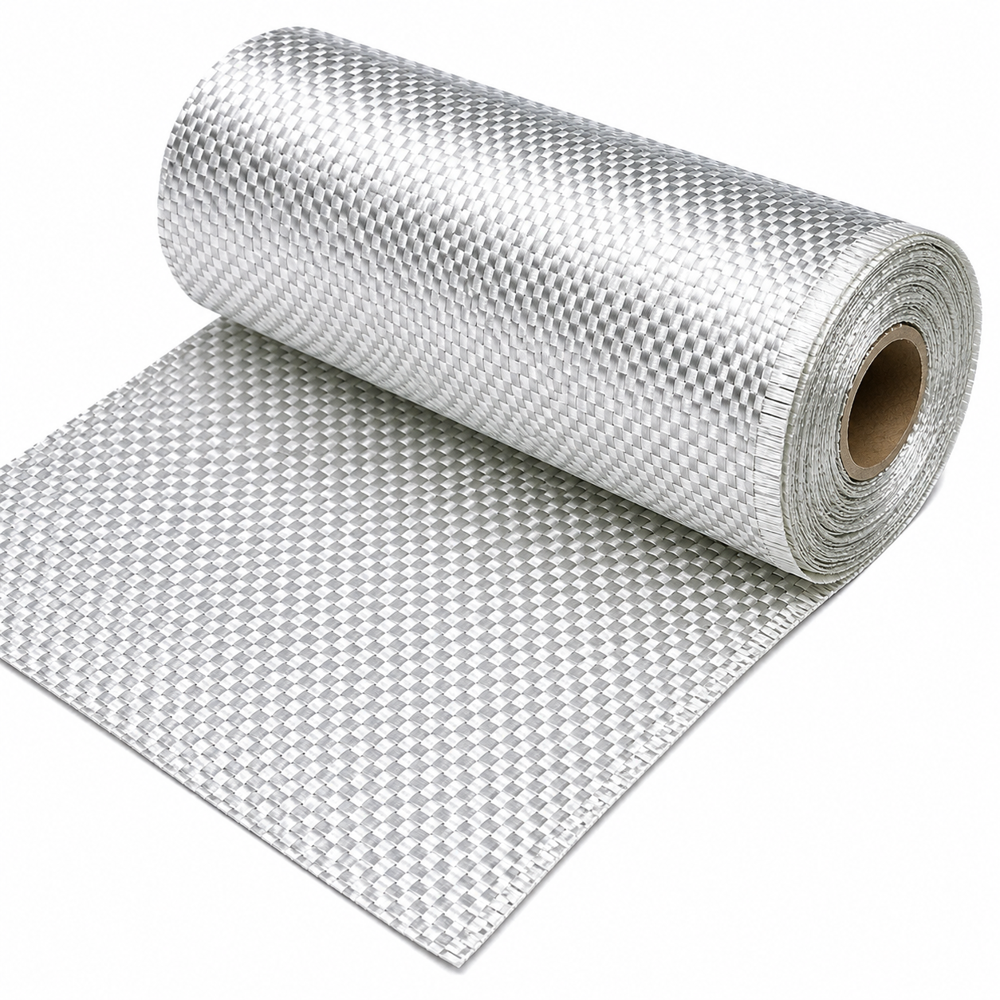






 Send Inquiry
 Send Inquiry
 Send SMS