Product Description
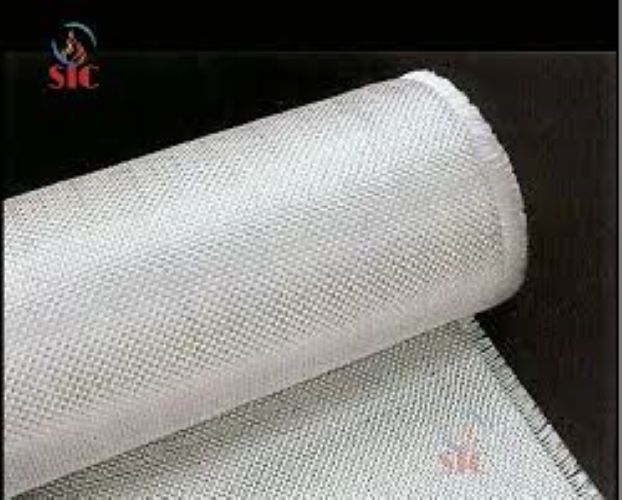
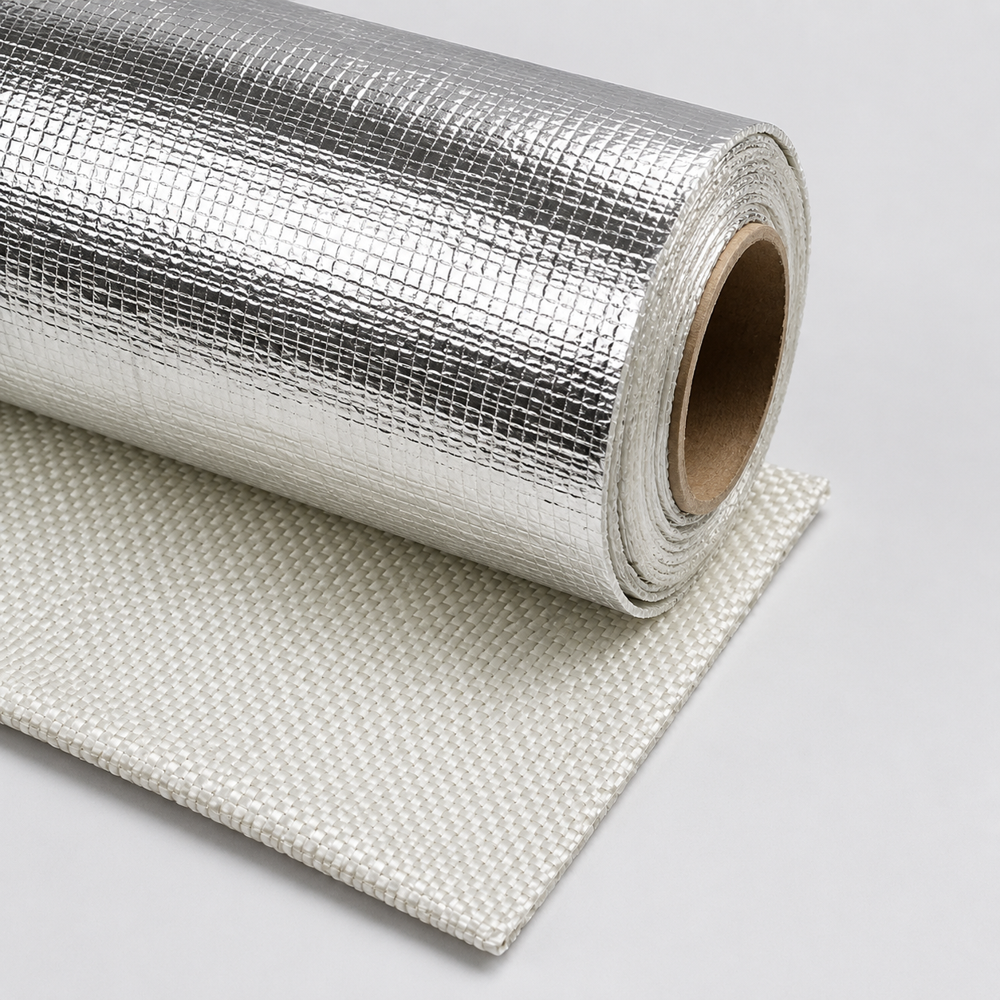
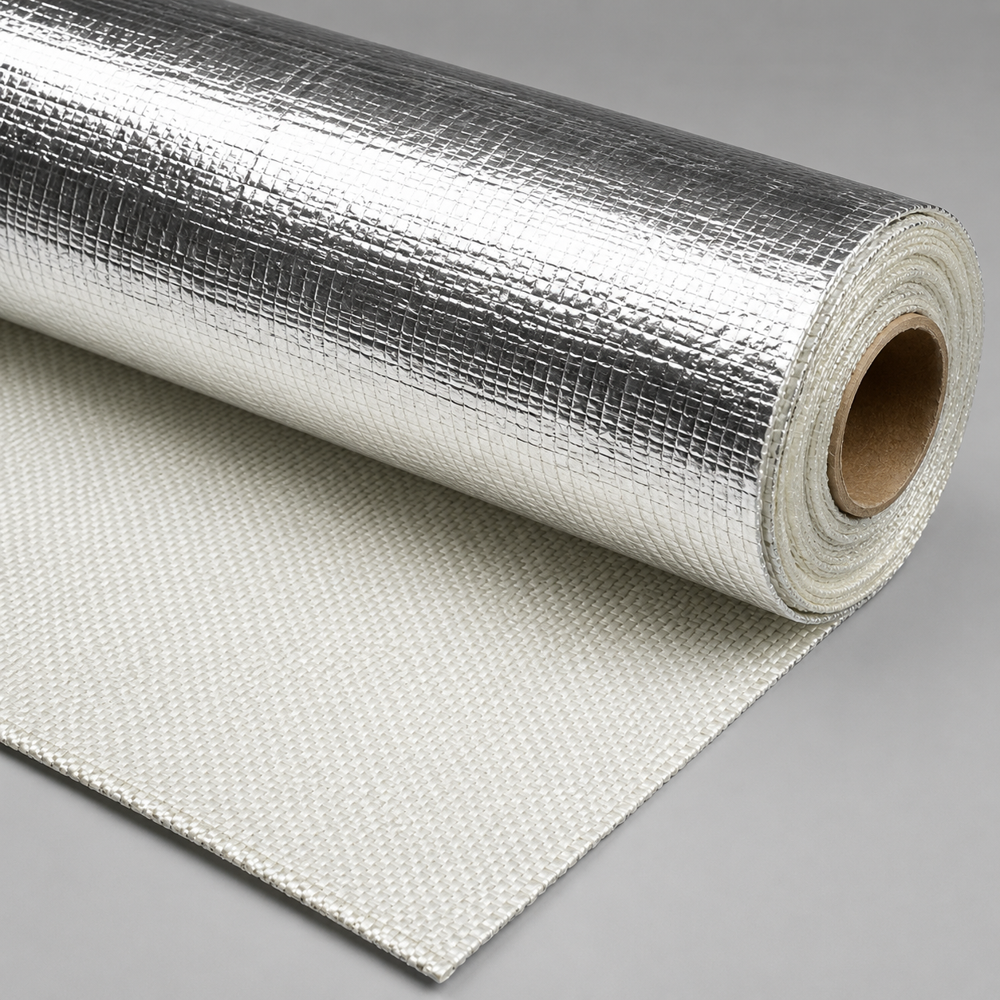
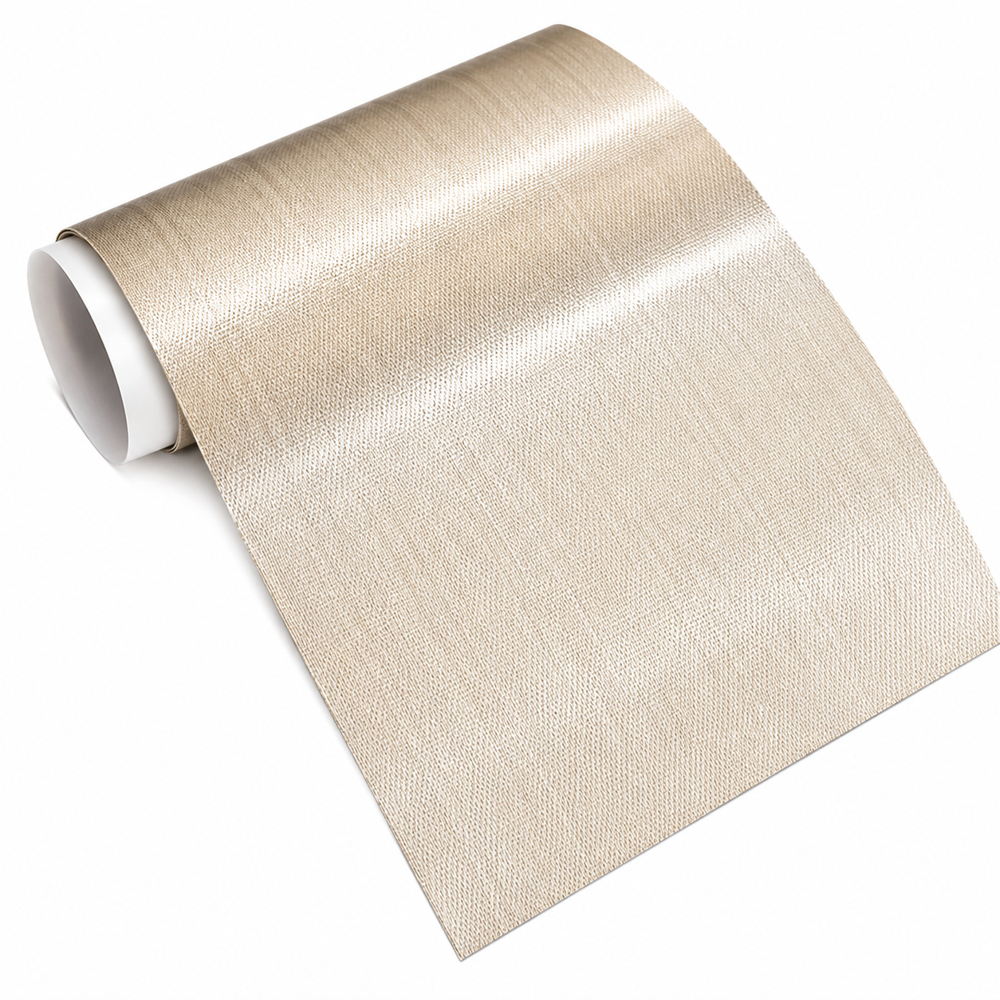
Fiber Glass Fabric
Glass fabrics are treated with different finishes to make it compatible with various resin systems like Epoxy, Polyimide, Phenolic and Polyester & Vinyl Resin.
Product Specifications
| Style |
Glass Composition |
Yarn Type (Warp) |
Yarn Type (Fill) |
Thread Density Warp (Per 2.54 cm) |
Thread Density Fill (Per 2.54 cm) |
Weave Pattern |
GSM |
Thickness |
| 120 |
E-Glass |
450-1/2 |
450-1/2 |
60 |
58 |
4H Satin |
110 |
4 Mil |
| 1581 |
E-Glass |
150-1/2 |
150-1/2 |
56 |
54 |
8H Satin |
300 |
9 Mil |
| 3732 |
E-Glass |
75-1/0 |
75-1/0 |
48 |
32 |
4H Satin |
430 |
13 Mil |
| 7628 |
E-Glass |
75-1/0 |
75-1/0 |
42 |
32 |
Plain |
202 |
7 Mil |
| 2116 |
E-Glass |
225-1/0 |
225-1/0 |
60 |
58 |
Plain |
105 |
3.5 Mil |
| 1080 |
E-Glass |
900-1/2 |
900-1/2 |
60 |
48 |
Plain |
50 |
2 Mil |
| 7645 |
E-Glass |
75-1/2 |
75-1/2 |
48 |
32 |
8H Satin |
430 |
13 Mil |
| 10MILFG |
E-Glass |
75-1/2 |
75-1/2 |
26 |
20 |
Plain |
250 |
10 Mil |
Tolerance: All values are nominal. Standard manufacturing tolerance: 5%.
Engineered for Reliability and SafetyThis fiberglass fabric stands out due to its superior heat resistance, flame retardancy, and excellent tensile properties. The crafted weave patterns - either plain or twill - enable the material to handle mechanical and thermal stresses, making it optimal for safety-critical applications in industries including aerospace, automotive, and electrical insulation. Its smooth or textured surface ensures flexibility for various types of processing and installation.
Versatile Applications Across IndustriesThe fabric's moisture-repellent, chemical-resistant, and heat-tolerant characteristics make it suitable for a wide array of uses. Common applications include FRP manufacturing, heat shields, gaskets, electrical insulation, and components in aircraft and automobiles. With multiple thickness and width options, as well as rolls and tapes, it adapts to diverse operational needs and stringent industrial standards.
FAQ's of Fiber Glass Fabric:
Q: How is this fiber glass fabric typically used in industrial applications?
A: This fiber glass fabric is widely applied for thermal insulation, electrical insulation, reinforcement in FRP products, and construction of heat shields and gaskets. Its high temperature resistance and mechanical strength make it suitable for protection and structural reinforcement in demanding environments such as aircraft, automotive, and electrical industries.
Q: What makes the fabric's weave pattern - plain or twill - significant?
A: The choice between plain and twill weave impacts the fabric's flexibility, thickness, and handling properties. Plain weave offers stable structure and low porosity, while twill weave delivers enhanced drapability and strength, allowing for easier fitting around complex shapes or contours.
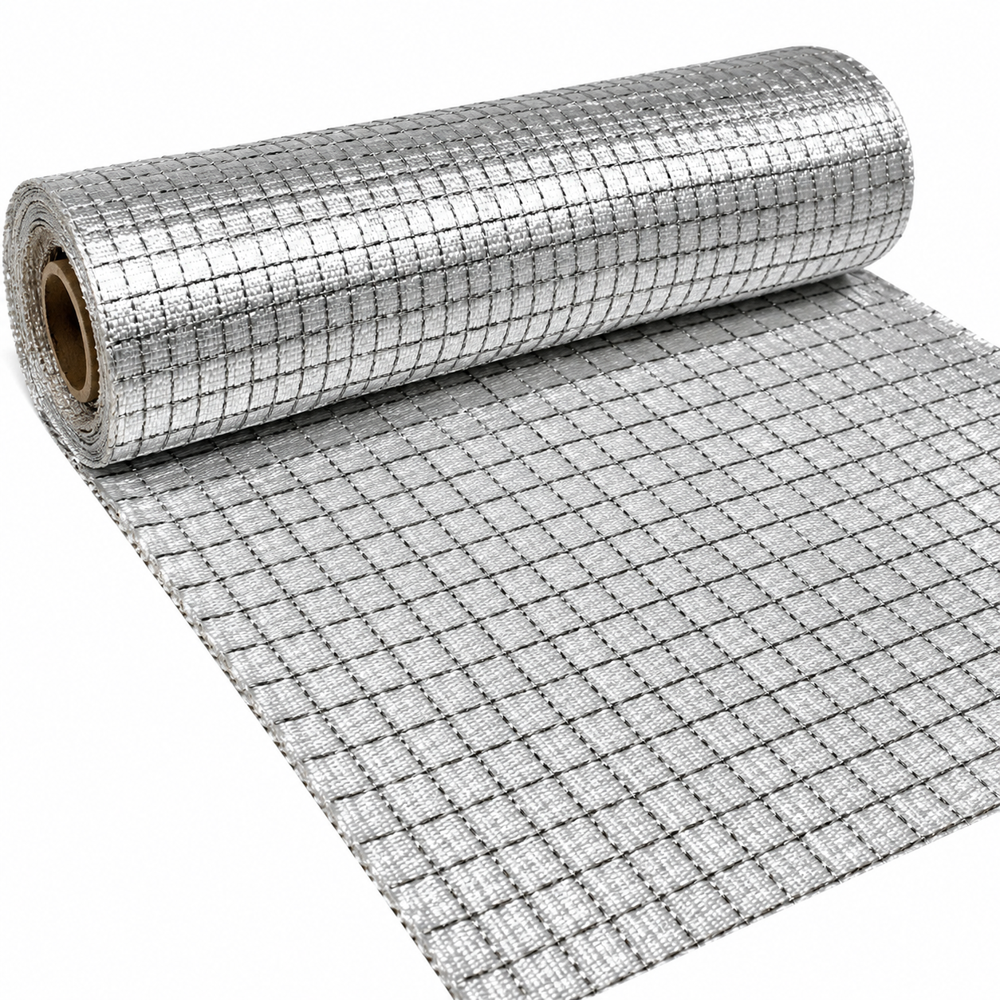
Q: When should you select the aluminized (silver) surface finish over the standard white?
A: The aluminized silver finish is ideal where additional thermal reflectivity, radiant heat protection, or improved durability are required-typically in heat shields or environments exposed to high radiant energy. The standard white is suitable for most thermal or electrical insulation needs without radiant heat exposure.
Q: Where can this fiber glass fabric be utilized for optimal performance?
A: It performs optimally in settings that demand heat and chemical resistance, such as in manufacturing FRP components, insulation for industrial equipment, aerospace and automotive parts, and in the assembly of gaskets or electrical insulators. Its adaptability in challenging industrial contexts ensures reliable performance.
Q: What is the recommended process for installing non-adhesive fiberglass fabric tape?
A: To install the non-adhesive fabric tape, accurately measure and cut the required length. Secure it by mechanical fastening, overlap, or by integrating into composite structures, depending on the application. Ensure the surface is clean and dry for the best bond if used as reinforcement or insulation.
Q: How does the fabric's high tensile and peeling strength benefit industrial users?
A: High tensile and peeling strength ensures the fabric withstands mechanical stress without tearing or delaminating, which is critical during installation and under operational loads. This translates to extended product lifespan and reduced maintenance in user applications.
 Call Us : 08045477486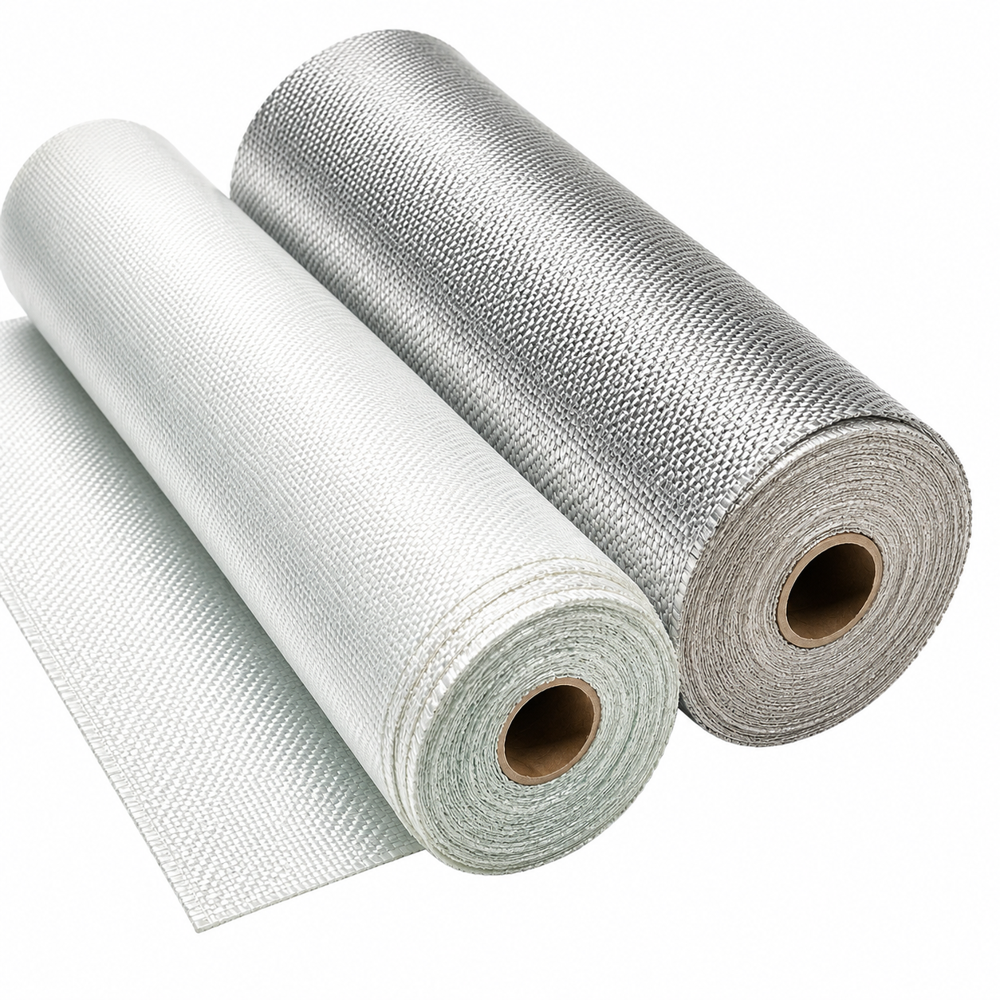






 Send Inquiry
 Send Inquiry
 Send SMS